The Lymphatic System - A brief history and overview
The lymphatic system is one that is regularly overlooked when it comes to health. Comprised of a complex interrelated network of vessels and lymph nodes as extensive as the cardiovascular system, the lymphatic system is vital in maintaining our life force. The lymphatic system also includes the organs of the spleen and thymus gland as well as the tonsils and adenoids – highlighting its importance in immune function as well.
The lymph and its special role in regulating an entire host of functions were first discovered by Hippocrates. He reasoned that lymph glands both attracted and received fluid and that the fluid or moisture in the body caused these lymph nodes to become overfilled in times of illness and imbalance.
Lymphatic Function and Healthspan
The lymphatic system plays a central role in immune surveillance, interstitial fluid homeostasis, and the clearance of cellular debris and metabolic byproducts. These functions are foundational to tissue health and systemic resilience across the lifespan.
Emerging research highlights lymphatic dysfunction as a contributing factor in chronic low-grade inflammation — a primary driver of age-related disease. Impaired lymphatic transport has been associated with conditions including cardiovascular disease, neurodegeneration, and metabolic dysregulation.
Optimizing lymphatic function supports the body's capacity for immune response, tissue repair, and waste clearance — key determinants of both healthspan and quality of life as we age. Some current research estimates that a strong lymphatic system can add a quality decade to your lifespan.


Our lymphatic system is the little sister to our cardiovascular system. Our heart and blood vessels work hard to deliver much-needed nutrients and oxygen around our body. Often, the exchange of blood that happens in our tissues results in a little more fluid being given to our cells than received back by our blood vessels. This difference in fluid is where the lymphatic system comes in. The lymphatic vessels collect this extracellular fluid and return it to the heart via a complex network of vessels and lymph nodes.
Without a properly functioning lymphatic system, fluid accumulates, resulting in swelling and edema. Suppose you find you are prone to swollen lymph nodes and edema. In that case, certain things can be done to support your lymphatic system, but having a professional examination to ensure there are no serious health issues may be warranted.
As the lymphatic system is comprised of vessels that run towards the heart, most of the time the lymph flow is fighting against gravity. Unlike the blood vessels aided by the strong muscular force of the heartbeat to transport blood, the lymphatic vessels rely on a more passive process of muscular contractions to help direct the flow.
When the lymph nodes become congested, they can comprise your entire immune system, leaving you tired and weak. It can also make you more susceptible to viruses like SARS-COV-2. So, what can you do?
Enter medical-grade lymphatic treatment. Using a proprietary mechanism, the technology stimulates the lymphatic and circulatory systems, along with improving the area of treatment aesthetically as a side benefit. In turn, with a proper course of treatment, lymphatic drainage is improved and toxins are flushed from your system. When lymphatic circulation is improved, you can experience:
-Decreased fluid retention
-Strengthened and more robust immune system
-Improved bowel function
-Improved filtration and removal of toxins
-Improved metabolism
-Reduced swelling and inflammation
-Improved appearance of cellulite
-Improved skin tone and clearness
-Less fatigue in extremities
-Improved sleep cycle
-Weight management and loss
Immune Senescence
Secondary lymphoid organs undergo structural changes with age that correlate with diminishing immune responses to infectious disease. Lymphatic vessels within these organs become more permeable and generate less contractile force, disrupting the chemokine gradients necessary for coordinated immune activation.
Cardiovascular and Metabolic Disease
Aging-associated lymphatic dysfunction is crosslinked with the progression of atherosclerosis, inflammation, and metabolic disease. Lymphatic involvement has been documented across a range of systemic conditions, including inflammatory bowel disease, metabolic syndrome, congestive heart failure, hypertension, and diabetes—underscoring the systemic stakes of lymphatic decline.
The Intervention Opportunity
Targeting aging-induced lymphatic dysfunction represents a meaningful avenue for reducing the burden of age-related disease and promoting healthy aging. Supporting lymphatic flow through movement, manual therapy, and lifestyle-based interventions is one of the most accessible strategies for preserving long-term immune and tissue health.
Lymphatic Disorders
Lymphedema: The most common disorder. It is the accumulation of lymph fluid causing swelling, usually in arms or legs. It is classified as primary (congenital) or secondary (caused by surgery, radiation, trauma, or infection). There are also several more rare lymphatic disorders that we treat and can investigate with our science colleagues. All respond exceptionally well to treatment as part of an overall plan for care.
Assistance for Pre and Post-Surgery
Before any operation, medical endermologie helps prepare and soften skin tissue to limit side effects and complications, facilitate the procedure, and thus maximize surgery’s success. After the operation, the treatment’s draining effect allows edema and bruises from the surgery to be resorbed more quickly. Simultaneously, the treatment stimulates the cells of the dermis (fibroblasts) to restore skin suppleness and elasticity, promote healing and recover range of motion and mobility of the patient.
Fertility
Women’s hormones regulate a number of things, but they are best known for controlling their periods. Since the lymphatic system circulates hormones through your body, it should function properly to deliver your reproductive hormones and those necessary for your fertility. Many physicians support lymphatic drainage to support assisted conception methods like invitro fertilization (IVF)as well as natural conception.
Endermologie can boost women’s fertility by detoxifying their bodies. Toxins are the main reason behind polycystic ovaries syndrome (PCOS), painful periods, bloating, and infertility. By ridding your body of toxins through manual lymphatic drainage, your body will grow fertile. Not only does this mean that your chances of conceiving via a fertility treatment will improve, but it will protect you from the heartache of miscarriage.
*one of the few FDA approved treatments throughout pregnancy.

The accumulation of amyloid-beta in the brain (Alzheimer's disease) is believed to be a culprit behind neurodegeneration, but the underlying mechanism of the buildup is not yet clear. Recently, scientists have found a new pathway that plays a key role in both Alzheimer’s and age-related dementia. The secret lies in meningeal lymphatic vessels, which connect the brain and the immune system. They help keep a healthy fluid balance in the brain and could be a new target for treatment and prevention.
Can lymphatic drainage help cancer patients?
The lymphatic system is not peripheral to cancer biology — it is central to it. Tumor-draining lymph nodes (TDLNs) serve as critical hubs for activating antitumor immune responses, where lymphocytes accumulate, receive antigenic signals, and differentiate into tumor-specific T cells that migrate back to the tumor microenvironment.
Lymphatic transport is necessary for immune surveillance, and emerging research establishes lymphatic vessels as key determinants of both local and systemic inflammatory networks—and therefore a crucial factor in the response to cancer immunotherapy. Cancer dissemination to lymph nodes is associated with worse prognosis, increased incidence of distant metastases, and reduced response to therapy.
For patients in active treatment or remission, maintaining lymphatic function is clinically meaningful. Recovery of lymphatic function during and after cancer treatment is essential to maintaining immunity and fluid homeostasis. Disruption of lymphatics — through surgery, radiation, or tumor burden — results in impaired fluid clearance, accumulation of cellular waste, and a compromised capacity to mount effective immune responses. Lymphatic insufficiency leads to edema, adipose deposition, and ultimately fibrosis, along with an inability to resolve innate immune responses or mount adaptive ones within the affected lymphatic watershed.
Supporting lymphatic function in this population serves a dual purpose: managing the physical sequelae of treatment while preserving the immune architecture necessary for long-term surveillance and remission maintenance.
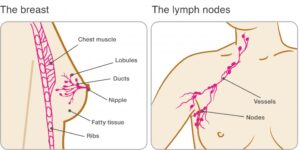
Breast Cancer
Due to the draining and defibrosing properties, clinical results in breast-cancer post-treatment can rapidly be observed with medical endermologie.
-Skin, hardened by radiation, gains flexibility and elasticity
-Reduces inflammation and facilitates the scarring process
-Frees up adhesions and stimulates blood flow with no pain (before and after implants)
The draining effect obtained with 3 to 4 times faster than the one obtained through a manual lymphatic drainage.
Lymphatic treatment can do a lot to help with physical or muscular injury.
Our medical-grade technology can help repair and nourish connective tissue and fascia with revitalized lymphatic and venous exchanges.
-Improves muscle flexibility
-Relieves muscle aches and pain
-Promotes joint healing
-Relaxes injured muscles
Other technologies and modalities can be used to benefit the patient further when combined with this service.
References
Rustenhoven J, et al. Age-related alterations in meningeal immunity drive impaired CNS lymphatic drainage. Journal of Experimental Medicine. 2023;220(7):e20221929.
Chen Y, et al. Functional aspects of the brain lymphatic drainage system in aging and neurodegenerative diseases. Journal of Biomedical Research. 2024;38(3):206–221.
Geng X, et al. The emerging importance of lymphangiogenesis in aging and aging-associated diseases. Ageing Research Reviews. 2024. doi:10.1016/j.arr.2024.
Ramos-Cejudo J, et al. Aging of lymphoid stromal architecture impacts immune responses. Seminars in Immunology. 2023;70:101817.
Norrmén C, et al. Aging-induced changes in lymphatic muscle cell transcriptomes are associated with reduced pumping of peripheral collecting lymphatic vessels. Developmental Cell. 2023;58(5):361–375.
Ly CL, et al. Structural and functional changes in aged skin lymphatic vessels. Frontiers in Aging. 2022;3:864860.
Wiese L, et al. Aging-related cellular, structural and functional changes in the lymph nodes. International Journal of Molecular Sciences. 2021;22(21):11652.
Liao J, et al. The glymphatic system: a new insight into the understanding of neurological diseases. Brain-X. 2024;2:e70011.
Xiong X, et al. Advances in the study of the glymphatic system and aging. CNS Neuroscience & Therapeutics. 2024. doi:10.1111/cns.14803.
Lei M, et al. Lymphatic system regulation of anti-cancer immunity and metastasis. Frontiers in Immunology. 2024;15:1449291.
Karakousi T, Mudianto T, Lund AW. Lymphatic vessels in the age of cancer immunotherapy. Nature Reviews Cancer. 2024;24:363–381.
Aldrich MB, et al. The development and treatment of lymphatic dysfunction in cancer patients and survivors. Frontiers in Oncology. 2020. PMC7466081.